Research and advice you can build a decision on.
Working alongside governmental bodies, academic institutions, national NGOs, UN agencies, international NGOs, and bilateral development partners in conflict-affected and transitional settings across the Middle East and Africa.
IFPRISaferworldGIZIOMBritish CouncilUniversity of Khartoum
01What We Do
Five areas of work, each grounded in real assignments across Sudan and the wider region.
Conflict & Economic Impact Assessments
How conflict reshapes industries, livelihoods, and local economies is rarely obvious from the outside. These assessments make it visible, turning field evidence into findings that can genuinely guide recovery and investment decisions.
IFPRIJan–May 2024
Assessed the impact of the ongoing conflict on Greater Khartoum’s edible oil, flour milling, and packing materials industries.
Value Chain & Governance Analysis
Economic value chains often hide their weakest links in plain sight. This work traces those chains end to end, surfacing the structural gaps, financial risks, and governance weaknesses that quietly limit their resilience.
ACACIA Arabic Gum Value Chain ProjectJan–Mar 2023
Investigated gaps and corruption risk in pre-finance policies across Kordofan, Blue Nile, Gedaref, and Sennar.
Security Sector Reform Advisory
Security sector reform rarely moves forward without civil society at the table. Built on years of direct field experience across conflict-affected regions of Sudan, this advisory work shapes SSR policy and the role civil society can play in it.
SaferworldOct 2021–Feb 2022
Authored a report on SSR in Sudan, examining challenges and entry points for civil society.
University of KhartoumSep–Nov 2019
Contributed to drafting technical recommendations on security sector reform.
Migration Governance & Protection
Migration policy works best when it’s shaped by the people it affects. Assessments of protection risks and legal frameworks here are paired with genuine dialogue-building between migrants and the communities that host them.
British Council — Better Migration ManagementPhase II, Oct 2021–Nov 2022 · Phase III, ongoing
Developed migration policy and legal recommendations shaped directly by migrant and host-community input, and helped build dialogue platforms between the two.
IOMNov 2020–May 2021
Assessed the situation of migrants in administrative detention in Sudan.
Institutional Capacity Building
A mandate only matters once it’s translated into structure. This work helps national institutions get there, through needs assessments and Terms of Reference tailored to their real operating context.
GIZJun–Sep 2021
Developed Terms of Reference for Sudan’s National Committee for Combating Human Trafficking (NCCT), at national and state levels.
02Projects
Field-grounded evidence for international organisations
We work with donors, development agencies, and research institutions that need reliable evidence from difficult settings. From rigorous fieldwork to practical recommendations, we help partners move from insight to measurable impact.
Est. damages and losses
Facilities studied
Of losses were financial
Months to repair milling buildings
Working paperSudanNovember 23, 2025
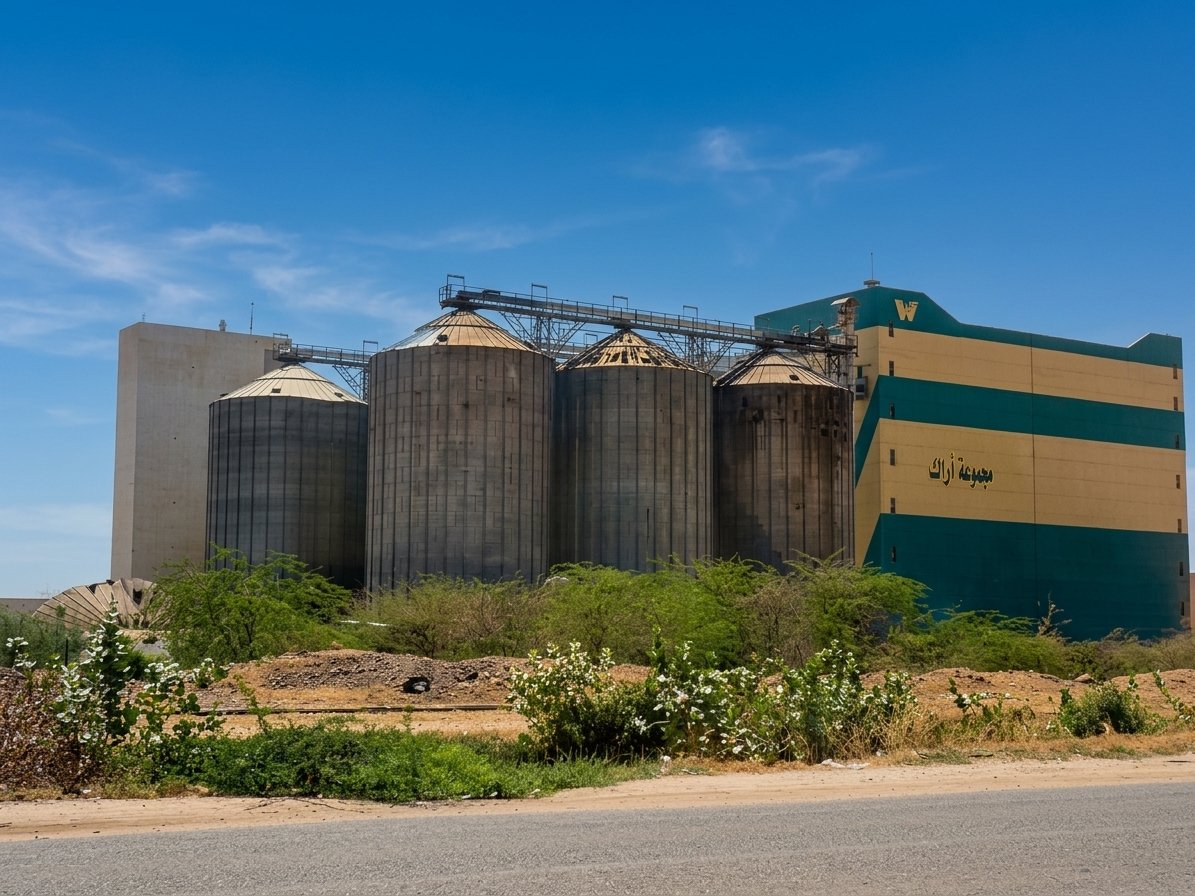
Impact of conflict on key agro-industries in Khartoum State, Sudan
A close look at wheat flour milling, oil processing, and packaging.
Published byInternational Food Policy Research Institute (IFPRI)
SeriesSudan SSP Working Paper 24
AuthorsAmmar Ibrahim, Shima Mohamed, Mohamed Abdel-Karim, and Khalid Siddig
LocationKhartoum State, Sudan
The conflict that began in April 2023 has displaced communities, destroyed infrastructure, and disrupted the economy. This study measures its effect on wheat flour milling, edible oil, and packaging in Khartoum, Sudan’s most industrialized state.
How we did it
We combined satellite imagery, site visits, technical questionnaires, and key informant interviews with official reports, covering 15 facilities across the Khartoum North, Garri, and Soba industrial zones. Security constraints limited access, and we were open about those limits throughout.
What we found
Total damages and losses are estimated at USD 407 million, with wheat flour milling hit hardest. Financial losses make up 51 percent, mostly from factories stopping work and supply chains breaking down. Repairs to key buildings, machinery, and electrical systems are expected to take roughly six to seven months.
What we recommend
A phased, sector-specific recovery strategy that starts with financial recovery, inventory, and critical infrastructure. It calls for stronger public and private coordination, wider access to concessional financing, and industrial policy aligned with agricultural supply chains.
03Research
Research and publications
Studies and reports supporting decision-making in development, consulting, and capacity building across the Middle East and Africa.
No results found.
Capacity-building trends in the Middle East and Africa, 2026
A comprehensive analysis of investment patterns in training and institutional development across the region.
PDF · 24 pagesRead more →
Policy paper: local governance
December 2025
Digital strategy for NGOs in 2026
November 2025
Funding models for consultancy work
October 2025
Reflections on youth leadership programs
September 2025
Have a project in mind for one of these areas?
We welcome new consultancy assignments across all five — let’s talk about where you’re starting from.
RCCBD — RESEARCH · CONSULTING · TRAINING — MIDDLE EAST & AFRICA